Arabian travel market 2026 highlights Dubai tourism resilience
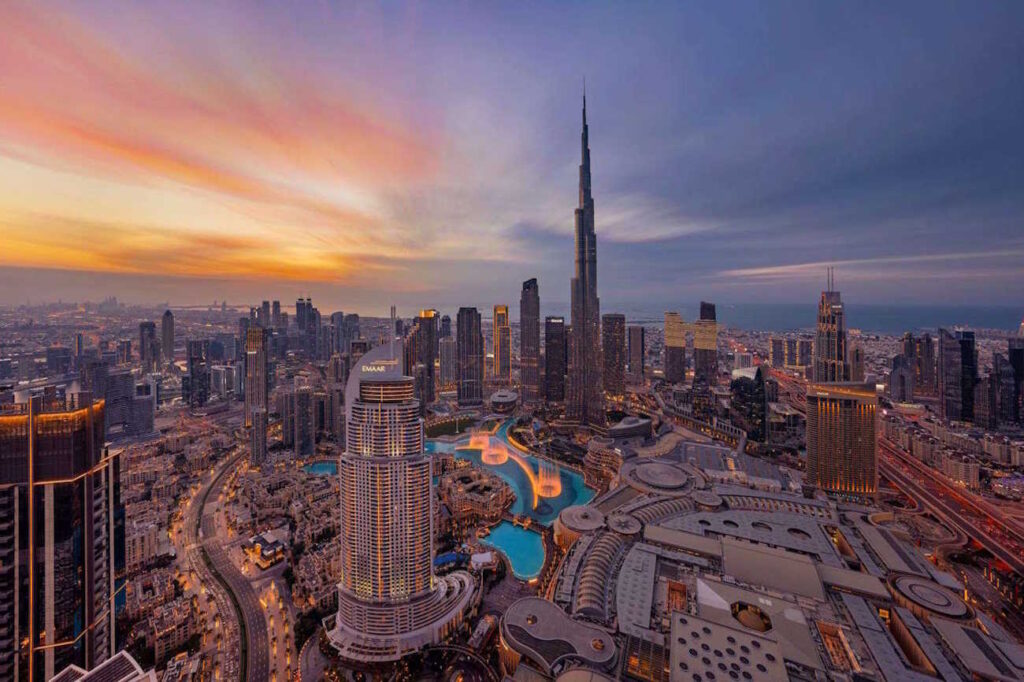
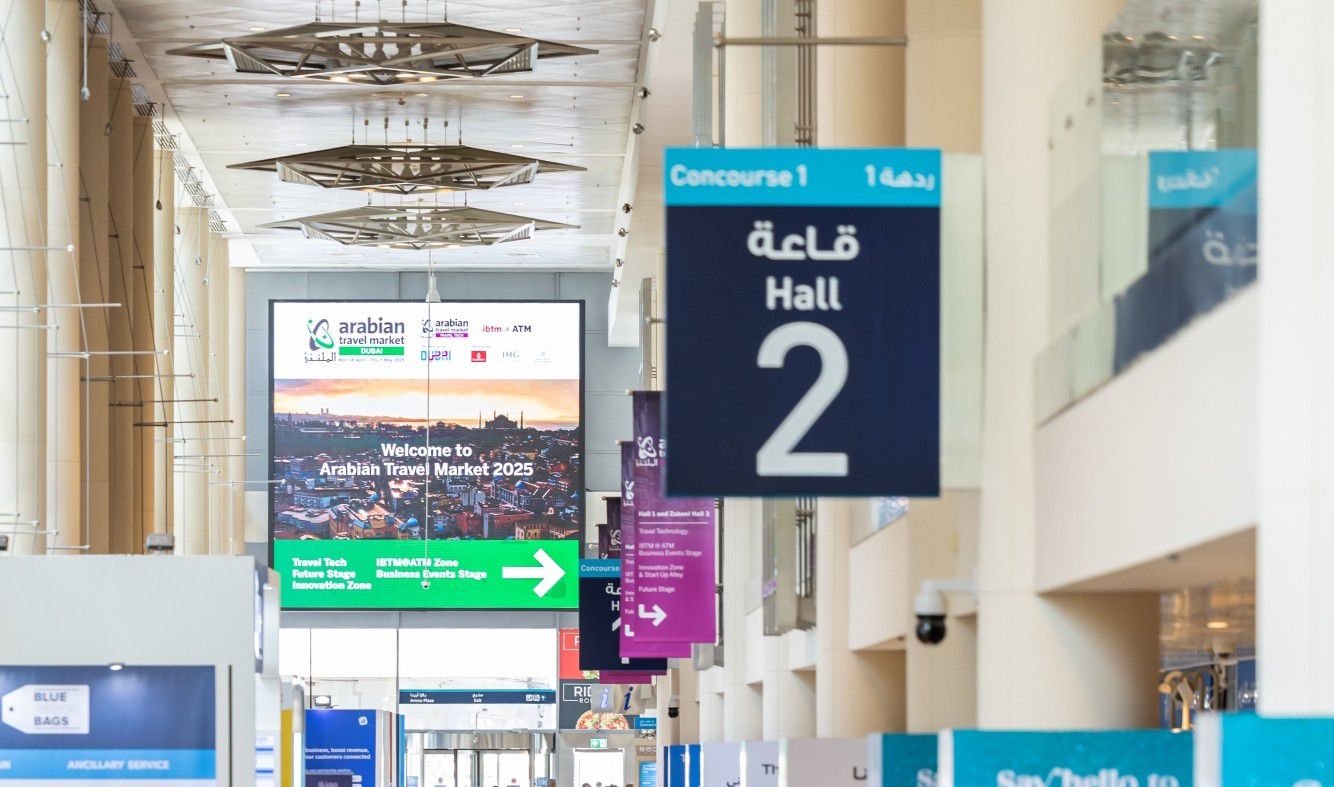
Arabian travel market 2026 is set to position Dubai at the center of global tourism recovery and long term industry transformation as stakeholders gather to reassess resilience, connectivity, and growth strategies across international travel markets.
The event will take place from 14 to 17 September 2026 at Dubai World Trade Centre, bringing together airlines, tourism boards, hospitality leaders, and technology providers at a time when the sector is navigating shifting demand patterns and geopolitical uncertainty.
Organisers have adjusted the schedule to September to improve accessibility for exhibitors and delegates. The decision reflects a coordinated industry approach aimed at strengthening participation and ensuring stable business engagement across global markets.
Danielle Curtis, regional portfolio director UAE at RX Global, said ATM continues to function as a critical platform for industry dialogue and partnership building. She stressed that Dubai’s infrastructure and coordinated governance allow the event to maintain continuity even during periods of regional disruption.

Government support has reinforced this positioning. Recent initiatives, including AED2.5 billion in economic stimulus measures and targeted tourism support policies, have helped sustain operations across aviation, hospitality, and large scale events.
Hoor Al Khaja, senior vice president for international operations at Dubai Corporation for Tourism and Commerce Marketing, part of Dubai Department of Economy and Tourism, said Dubai remains committed to long term planning and cross sector collaboration. She highlighted the city’s continued openness to international visitors and its role as a stable hub for global meetings.

Air connectivity across the Gulf is also strengthening. Emirates has restored most of its global network, operating to 138 destinations across 73 countries. Etihad Airways, flydubai, and Qatar Airways continue to rebuild schedules, improving access for long haul and regional travellers.
Several governments have revised travel guidance. The United Kingdom has lifted its advisory for the United Arab Emirates, while Australia has downgraded risk levels for multiple destinations in the region. These adjustments signal improved confidence in travel conditions and support demand recovery.
Hospitality performance data from STR shows steady recovery across GCC markets, driven mainly by domestic tourism and the continued strength of core infrastructure. Dubai has maintained stable occupancy trends, supported by diversified demand and coordinated public private sector planning.
Stephen Dutton from Euromonitor International said global travel spending reached record levels in 2025, exceeding broader economic growth in several markets. He noted that travel has become a priority consumer category even during inflationary pressure, reflecting its role as a protected form of discretionary spending.
The ATM 2026 conference, themed Travel 2040 driving new frontiers through innovation and technology, will focus on resilience, crisis preparedness, and digital transformation. Sessions across the Global Stage, Future Stage, and Experience Hub will examine how destinations can strengthen operational agility and respond to economic, environmental, and geopolitical risks.
Research partners including STR, Tourism Economics, ICCA, and GSIQ will present insights on traveller behaviour, destination competitiveness, and future demand patterns. The programme will also highlight the role of artificial intelligence, immersive technologies, and sustainable tourism models in shaping industry growth.
Outlook for global tourism resilience
ATM 2026 reflects a wider shift in global tourism strategy toward stability, connectivity, and long term planning. Dubai’s positioning as a resilient hub underscores how infrastructure strength and coordinated governance can influence recovery cycles and investor confidence in the travel sector.