Omar Seghrouchni links data protection and artificial intelligence trust in Merzouga
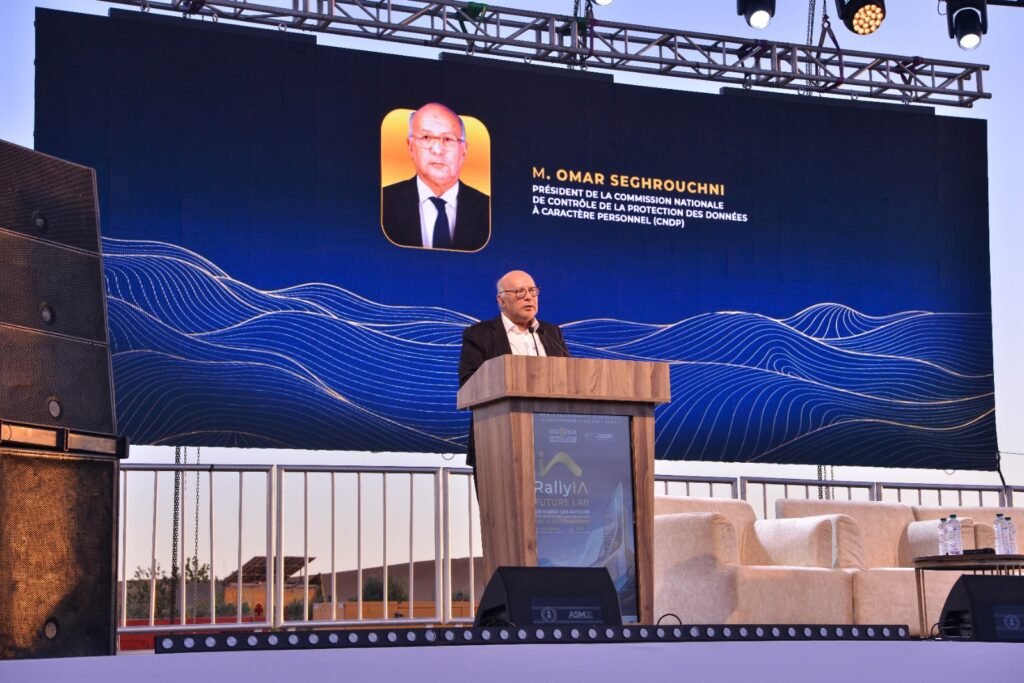
Omar Seghrouchni underlined in Merzouga that data protection has become a central pillar of digital transformation in Morocco. The president of the National Commission for the Control of Personal Data Protection (CNDP) stated that it now goes beyond legal and technical dimensions to shape digital trust and support the development of artificial intelligence. The concept of digital trust Morocco is emerging as a key condition for the country’s technological and economic progress.
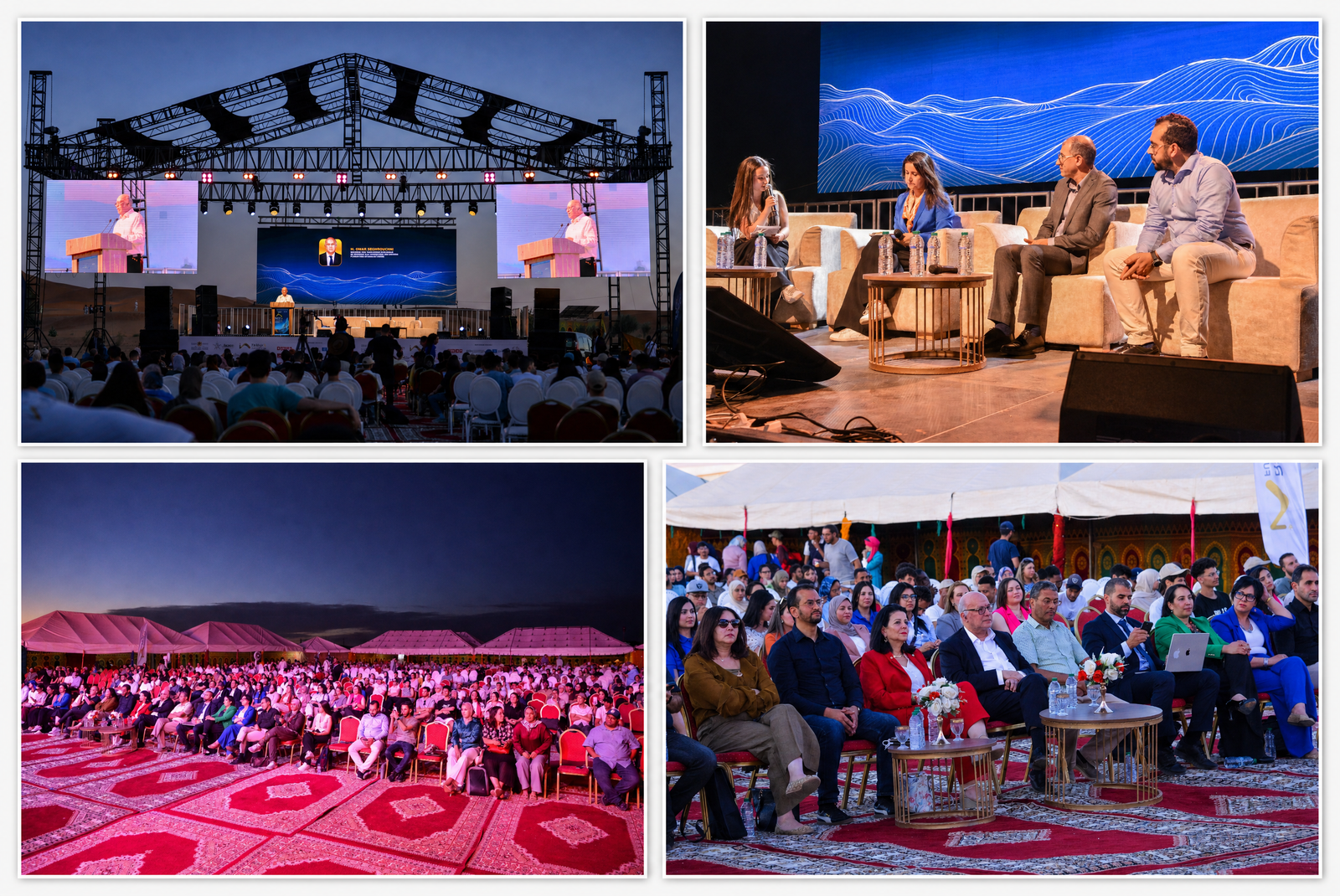
His remarks were delivered during the first edition of the Rally IA Future Lab, an initiative led by the Ministry of Digital Transition and Administrative Reform under the High Patronage of King Mohammed VI. The event brought together more than one thousand young participants from across Morocco to discuss innovation, artificial intelligence, and the future of digital ecosystems.
The initiative aims to anticipate technological change and encourage the development of practical solutions to future challenges. It brings together researchers, entrepreneurs, students, and experts in a collaborative space focused on innovation and digital transformation. In this context, digital trust Morocco was presented as a strategic foundation for national competitiveness and sovereignty in emerging technologies.
Omar Seghrouchni compared personal data protection rules to road traffic regulations, explaining that both frameworks are designed to ensure collective safety. According to him, effective data processing requires awareness and strict respect for rules that reduce risks rather than eliminate them completely.
He stressed that digital transformation brings new challenges, including data leaks and misuse of personal information. These incidents, he noted, are often linked to weak awareness of data protection principles and insufficient respect for regulatory frameworks governing digital use.
Seghrouchni emphasized that respect for the law helps build a collective culture based on responsibility and prevention. In his view, data protection should not be seen as a purely technical system but as a civic culture rooted in the protection of rights and freedoms in the digital space. This reinforces digital trust Morocco as a social and institutional necessity.
He added that successful digital life depends on respect for other people’s data. This responsibility extends beyond individual privacy to include the data of children and all individuals with whom users interact online.
The transition from paper-based systems to digital exchanges, he said, has increased responsibilities rather than reduced them. The speed and scale of data circulation require stronger awareness and stricter compliance with protection standards.
According to Seghrouchni, no digital service can succeed without citizen trust. Lack of trust slows down adoption of digital services and limits the ability of institutions and companies to innovate. Digital trust Morocco therefore becomes a key driver of economic development and digital adoption.
He further stated that data protection is not an obstacle to innovation. On the contrary, it enables it by creating a secure and stable environment for investors, businesses, and project leaders. This stability is essential for the growth of artificial intelligence and digital ecosystems.
Seghrouchni called for integrating data protection into digital education and national culture. He emphasized the importance of building a society grounded in responsibility and trust, especially as artificial intelligence technologies expand rapidly across sectors.
He also linked the future of artificial intelligence to the establishment of a clear legal and ethical framework. Such a framework is necessary to protect rights and freedoms while strengthening citizens’ confidence in digital technologies.
In Merzouga, he concluded that respect for the law strengthens transparency, security, and trust. These elements form the foundation of sustainable digital development and support innovation in Morocco.