Ukrainian drones strike Russian explosives plant in new overnight attack
Ukrainian forces launched another major wave of drone strikes against Russian territory on August 19, targeting sites in several regions including an oil refinery in Bashkortostan and the Sverdlov explosives plant in Dzerzhinsk. The attacks followed a strike involving nearly 800 drones two days earlier, marking another escalation in Ukraine’s use of long range domestically produced drones against Russian military and logistical infrastructure.
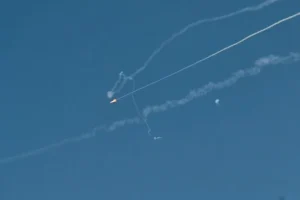
More than 600 Ukrainian drones targeted the Moscow region during the night of August 17 to 18, according to Moscow Mayor Sergei Sobyanin, who said 180 were shot down over the capital region alone. Russia’s Defense Ministry reported intercepting 791 drones nationwide, making the attack the second largest drone assault since January 2025, according to the Associated Press.
The strikes also caused a fire at a warehouse belonging to Wildberries, Russia’s largest online retailer. Ukraine’s Defense Ministry has accused the company of supplying the Russian military. Wildberries described the damage as insignificant. CBS News reported that Ukraine had destroyed seven of the company’s 10 largest logistics warehouses over the previous month.
Three people were wounded in the Moscow region and another three in neighboring Ryazan region. Moscow was targeted again during the following night, with Sobyanin reporting further drone interceptions on the morning of August 19. Flight restrictions were also imposed at the city’s four international airports.
Strikes spread across Russian industrial regions
The overnight attacks on August 19 extended far beyond Moscow. In Bashkortostan, more than 1,000 kilometers from the Ukrainian border, drones struck an oil refinery in the regional capital Ufa. The attack caused a fire at a unit undergoing maintenance and damaged a residential building, injuring one person, according to regional governor Radiy Khabirov.
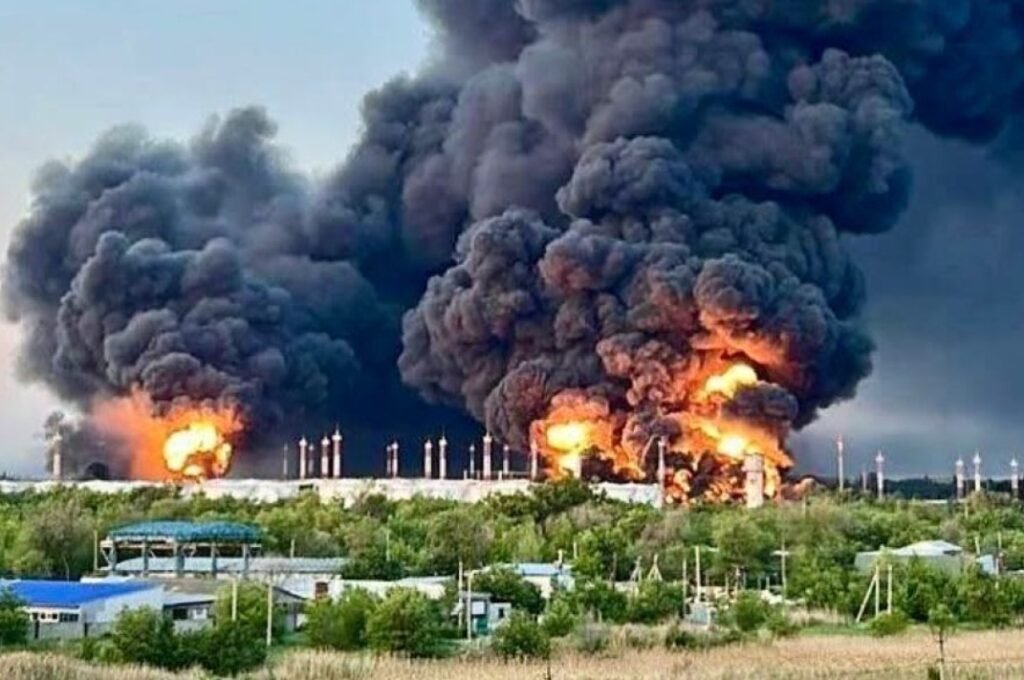
Drones also targeted the Sverdlov explosives plant in Dzerzhinsk, in the Nizhny Novgorod region. The facility is described as one of Russia’s largest producers of military explosives and is under sanctions imposed by the United States, the European Union, the United Kingdom, Japan and Switzerland.
Thick columns of smoke were seen rising from the site, according to the Russian media outlet Astra and the monitoring channel Exilenova+. Russia’s Defense Ministry said it had intercepted 453 drones during the night. Attacks were also reported in the Tula and Vladimir regions.
The strikes form part of a broader Ukrainian strategy centered on long range drones produced domestically. Kyiv has used the weapons to overwhelm Russian air defenses and reach military industrial and logistical targets deep inside Russian territory.
Civilian casualties add to escalation
The drone campaign has unfolded alongside Russian attacks that have caused heavy civilian casualties in Ukraine. A missile strike on the village of Pechenihy in the Kharkiv region on August 18 killed at least 10 civilians and wounded 17, according to Ukrainian President Volodymyr Zelensky, who described it as a brutal attack.
The United Nations recorded 437 civilian deaths in Ukraine in July. That was the highest monthly civilian death toll since May 2022.
The escalation has also created diplomatic repercussions involving Britain. The Sunday Times reported that two British companies had manufactured drones used by Ukraine in attacks against Russia.
Russia’s embassy in London warned that London’s actions would inevitably have consequences. British Prime Minister Andy Burnham said the United Kingdom would continue supporting Ukraine’s right to defend itself.
Yevhen Karas, commander of Ukraine’s 413th Raid Unmanned Systems Regiment, said his unit took part in the strike against Wildberries. Speaking to the Associated Press, he said Ukrainians hoped the economic cost of the attacks would push Moscow toward negotiations.
Karas also invoked the experience of Ukrainian civilians who have spent years seeking shelter from Russian missile and drone attacks. He said Moscow residents should spend their nights in the city’s metro, as people in Kyiv had done during Russian strikes.