Dutch Parliament approves extradition treaty with Morocco
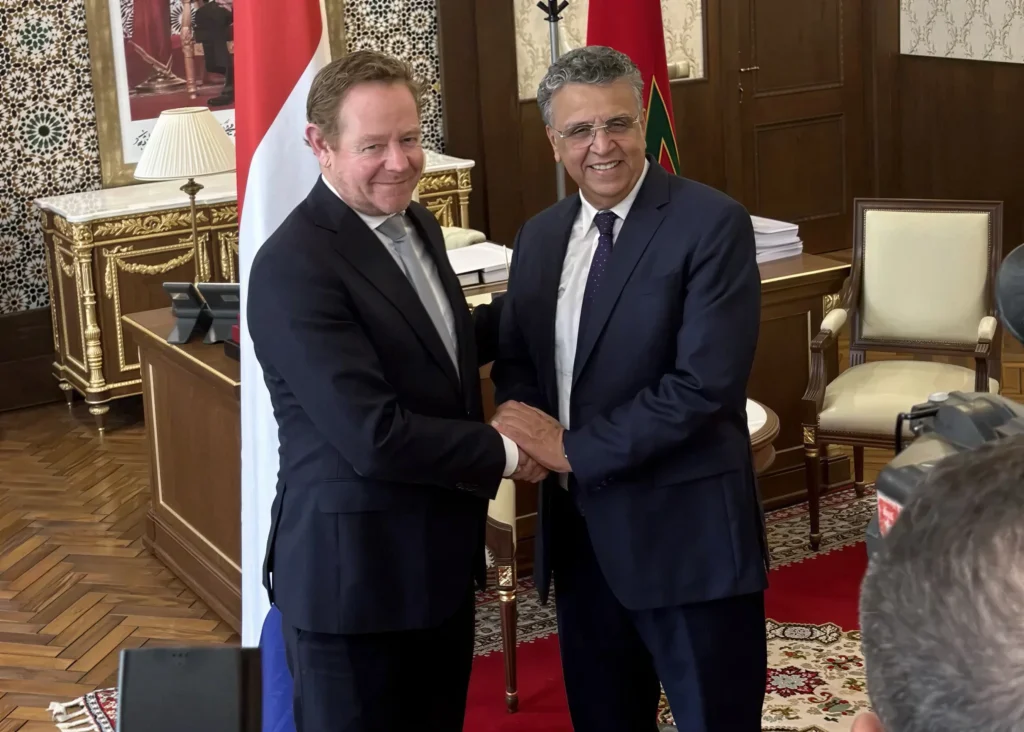
The Netherlands Morocco extradition treaty moves forward after parliamentary approval in The Hague. The vote marks a key step in expanding judicial cooperation between the two countries on cross border crime cases linked to serious offenses and organized crime networks.
Netherlands Morocco extradition treaty advances through parliament
The Netherlands Morocco extradition treaty received strong backing in the Dutch House of Representatives, known as the Tweede Kamer. The agreement was signed in Rabat in December 2023 and now awaits final approval from the Senate, the Eerste Kamer.
The vote passed with a large majority. Only small political groups opposed the deal, including the Party for Animals and Denk. Morocco has already ratified the agreement, placing both countries close to full implementation of the Netherlands Morocco extradition treaty.
Officials describe the agreement as a tool to close legal gaps that have allowed suspects to avoid prosecution by moving across borders.
Scope of the Netherlands Morocco extradition treaty and legal thresholds
The Netherlands Morocco extradition treaty allows both countries to request the transfer of suspects or convicted individuals. It applies to crimes carrying at least one year of imprisonment under both legal systems.
Covered offenses include violent crimes, murder, manslaughter, and money laundering. Authorities say the framework aims to strengthen prosecution capacity and reduce safe havens for organized crime groups operating between Europe and North Africa.
Justice Minister David van Weel described the agreement as a step that removes protection for criminals who rely on jurisdictional limits. He said the Netherlands already uses similar agreements with other countries and continues expanding its cooperation network.
The Netherlands Morocco extradition treaty also reflects broader Dutch policy on international crime cooperation.
Extradition limits and domestic prosecution mechanism
A key limitation of the Netherlands Morocco extradition treaty concerns nationality rules. Morocco generally does not extradite its own citizens, including dual nationals.
However, Justice Minister David van Weel stated that the agreement includes a mechanism requiring domestic prosecution in Morocco when extradition is refused. In such cases, Moroccan authorities must take over legal proceedings.
This provision is designed to prevent suspects from escaping accountability. Officials argue it strengthens enforcement even when physical transfer does not occur.
Legal experts involved in the process say this clause increases pressure on cross border criminal networks.
Security context and organized crime investigations
The Netherlands Morocco extradition treaty is closely linked to ongoing organized crime investigations involving networks operating between both countries.
Ulysse Ellian highlighted that the agreement could affect cases linked to high profile criminal figures. Prosecutors have pointed to individuals connected to major drug trafficking networks.
One central figure is Ridouan Taghi, who is serving a life sentence in the Netherlands. Investigators believe associates and relatives may be located in Morocco, which increases the importance of cooperation under the Netherlands Morocco extradition treaty.
Public prosecutor Ferry van Veghel confirmed that several ongoing cases involve suspects residing in Morocco. Authorities say coordination between police and judicial services has already increased.
Bilateral cooperation and historical turning point
The Netherlands Morocco extradition treaty builds on years of gradual cooperation between Rabat and The Hague.
A turning point came after a 2017 mistaken identity killing in Marrakech, which involved Dutch hitmen targeting a different victim. The case triggered deeper legal and security dialogue between both countries.
Since then, cooperation has expanded. Dutch prosecutors now operate with a permanent presence in Morocco, and joint investigations have increased in scope.
Officials say the Netherlands Morocco extradition treaty formalizes a process that has already been evolving through operational collaboration.
The agreement now moves to the Senate for final approval. If confirmed, it will establish a permanent legal framework for extradition and prosecution cooperation between the two countries.