Netanyahu rejects US Gaza plan as Iran keeps talks indirect
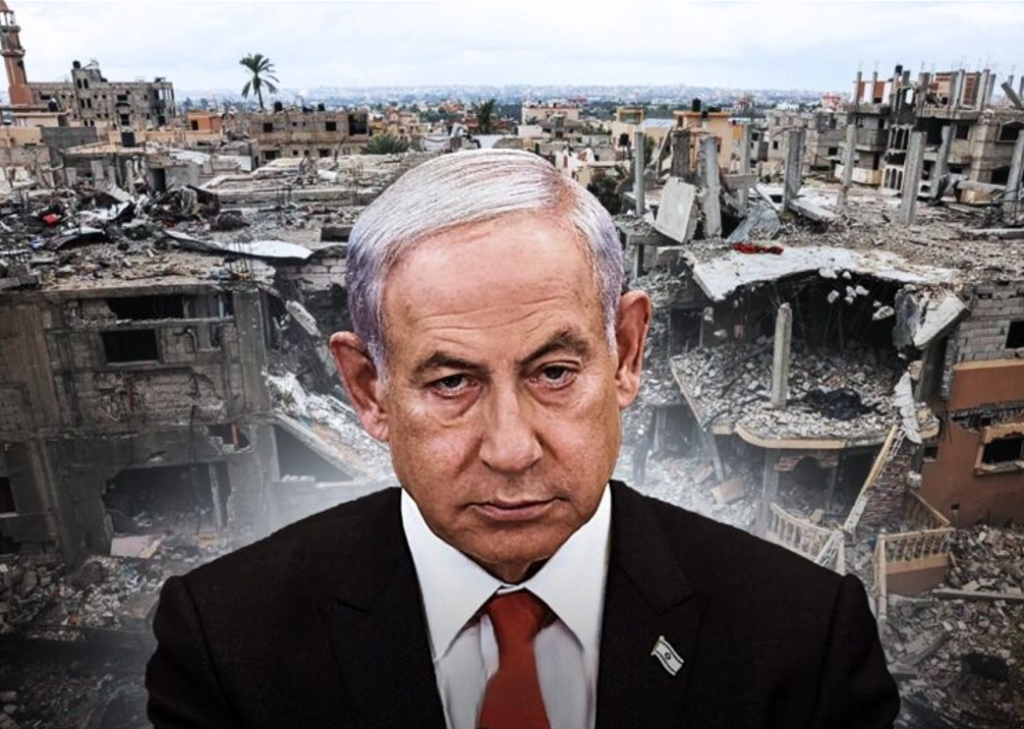
Israeli Prime Minister Benjamin Netanyahu has rejected a US-backed plan aimed at ending the Gaza war, while Iran continues to rule out direct negotiations with Washington. The focus keyword, Gaza plan, has become central to the widening diplomatic deadlock across the region.
Netanyahu announced the rejection during a cabinet meeting on Sunday, saying Israel would not accept the 15-point document in its current form. He said any Israeli military withdrawal from Gaza would depend on the complete disarmament of Hamas.
Netanyahu said discussions with Washington were continuing but stressed that Israel would maintain its own conditions. He argued that some elements of the proposal matched Israeli priorities while others did not.
US President Donald Trump presented the plan on July 30 as a framework for lasting security. It calls for the gradual dismantling of Hamas’s military capabilities, including heavy weapons, weapons production facilities, storage sites and tunnels.
Israel has adopted a broader interpretation of disarmament. Netanyahu said the process must also remove smaller weapons rather than focusing only on major military systems.
The proposal also envisages a future Gaza administration led by Palestinian technocrats and overseen by the Board of Peace. Questions remain over the body’s ability to implement the plan without Israeli support.
Hamas endorsed the proposal last month, but Netanyahu’s rejection has created a new obstacle for mediators. Analysts cited in the source said the Israeli position could disrupt months of diplomatic efforts and make the sequence of proposed steps harder to implement.
The situation is unfolding alongside growing tensions involving Iran. Iranian Foreign Minister Abbas Araghchi said Tehran was not prepared to hold direct talks with the United States for now. He confirmed, however, that messages continued to move between the two sides through intermediaries as efforts focused on creating conditions for possible negotiations.
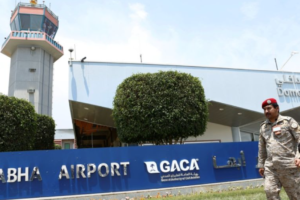
Tensions have also spread beyond Gaza. Yemen’s Houthi movement claimed it had attacked a Saudi Aramco facility in Jizan, causing a fire. The claim could not be independently established in the source.
Iran’s Islamic Revolutionary Guard Corps has separately set conditions for reopening a strategic waterway. They include an end to what Tehran describes as a US naval blockade and compensation for damage caused by the war.
The developments add pressure to regional shipping routes and deepen the connection between maritime security and wider political disputes.
The Gaza conflict remains the main humanitarian crisis in the region. According to figures cited in the source from Gaza’s health ministry, at least 1,250 people have died and more than 4,100 have been injured since the ceasefire announced last October. Hundreds remain missing under rubble.
The broader conflict has killed more than 73,000 people and wounded more than 174,000 since October 2023, according to the figures cited by the source.
With negotiations proceeding through intermediaries and competing conditions blocking agreement, the prospects for a lasting settlement remain uncertain.