Morocco launches ReliX framework to advance African industrial maintenance
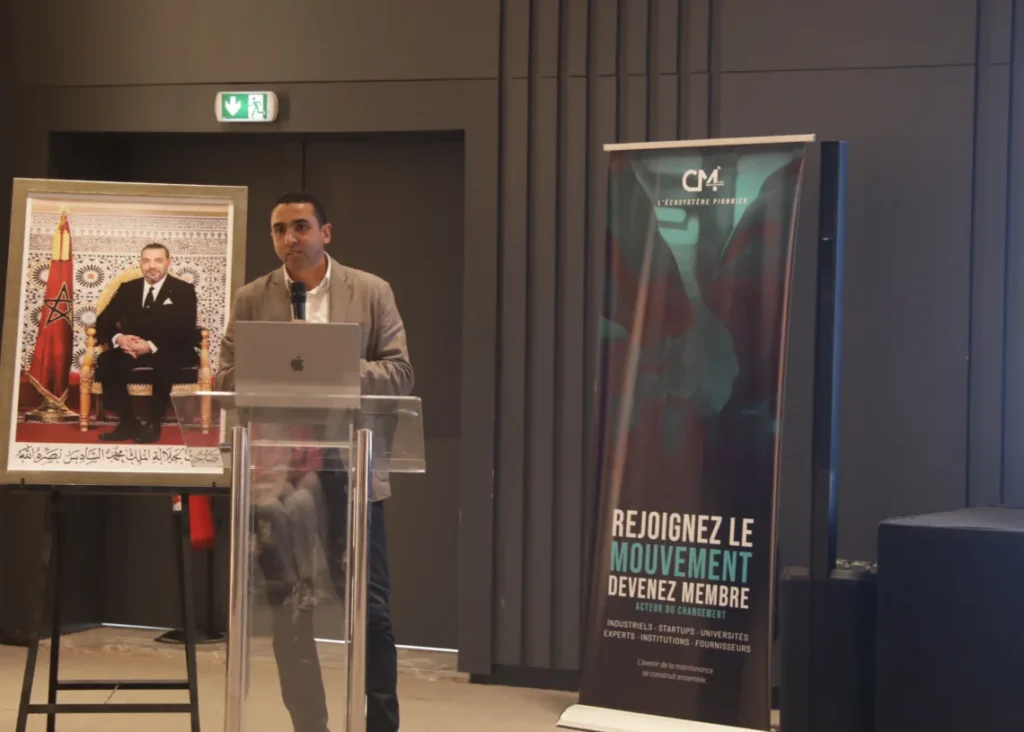
Morocco has introduced ReliX, a new industrial reliability framework designed to modernize maintenance practices and strengthen industrial performance across Africa. Developed by Cluster Maintenance 4.0, the initiative aims to establish Morocco as a leading center for advanced industrial maintenance through a locally created model that can be deployed across the continent.
The ReliX framework was unveiled during an event in Casablanca, where Cluster Maintenance 4.0 also signed two partnership agreements with Moroccan and international industry organizations. The initiative seeks to address persistent maintenance challenges faced by manufacturers that continue to rely heavily on reactive interventions and fixed maintenance schedules despite the growing availability of technologies such as artificial intelligence, digital twins, and advanced data analytics.
At the core of the framework is a proprietary methodology known as the Hexagon. It is built around six interconnected pillars: Perceive, Predict, Prescribe, Perform, People, and Planet. ReliX also incorporates a five-stage maturity model that guides companies from reactive maintenance practices toward autonomous operations. In addition, it includes seven principles intended to create a common reliability culture across industrial facilities regardless of their size or sector.
According to Cluster Maintenance 4.0, the framework was developed after consultations with Moroccan industrial companies revealed a significant gap between available technologies and their practical adoption within production facilities. While many Moroccan engineers possess expertise in advanced industrial technologies, older industrial infrastructures often limit their implementation.
Abdenour Jbili, president of Cluster Maintenance 4.0, said industrial competitiveness depends on the reliability and performance of production assets. He explained that ReliX aims to bring together industry stakeholders around shared maintenance standards while creating a framework tailored to African industrial realities.
He noted that existing international reliability models do not fully account for the operational challenges faced by African industries, including supply chain limitations, spare parts availability, and local operating conditions. ReliX was therefore designed to respond to these specific constraints while supporting industrial modernization.
Founded in 2021, Cluster Maintenance 4.0 brings together major industrial and academic institutions, including OCP, OCP Maintenance Solutions, Mohammed VI Polytechnic University, Maghreb Steel, ADD, MBTEC, CETIM, and the Marrakech-Safi Regional Investment Center.
Alongside the launch, the cluster signed a cooperation agreement with the Moroccan Federation of Metallurgical, Mechanical and Electromechanical Industries. The partnership is linked to SISTEP 2026, the International Exhibition of Productive Technological Solutions, which is scheduled to take place in Casablanca from September 9 to 12. The agreement includes exhibition support and preferential participation conditions for cluster members.
A second agreement was signed with the French Association of Maintenance Engineers and Managers. The two organizations agreed to cooperate in knowledge exchange, technical events, professional networking, and workforce development initiatives related to maintenance professions.
Over the coming year, Cluster Maintenance 4.0 plans to implement a continent-wide activation program featuring webinars, podcasts, expert masterclasses, and regional communities across North, West, and East Africa. These activities will lead to the inaugural ReliX Summit Africa, which is currently being prepared.
The launch follows Morocco’s recognition by the African Development Bank as Africa’s leading industrialization performer in the 2025 Africa Industrialization Index. ReliX is expected to support that position by promoting a Moroccan-developed maintenance framework that can be expanded through industrial, academic, and institutional partnerships across the continent.