Kenitra bus station project sets new standard for transport hubs
Construction has started on the Kenitra bus station project, a major transport infrastructure initiative that Moroccan authorities intend to use as a model for future mobility hubs across the country.
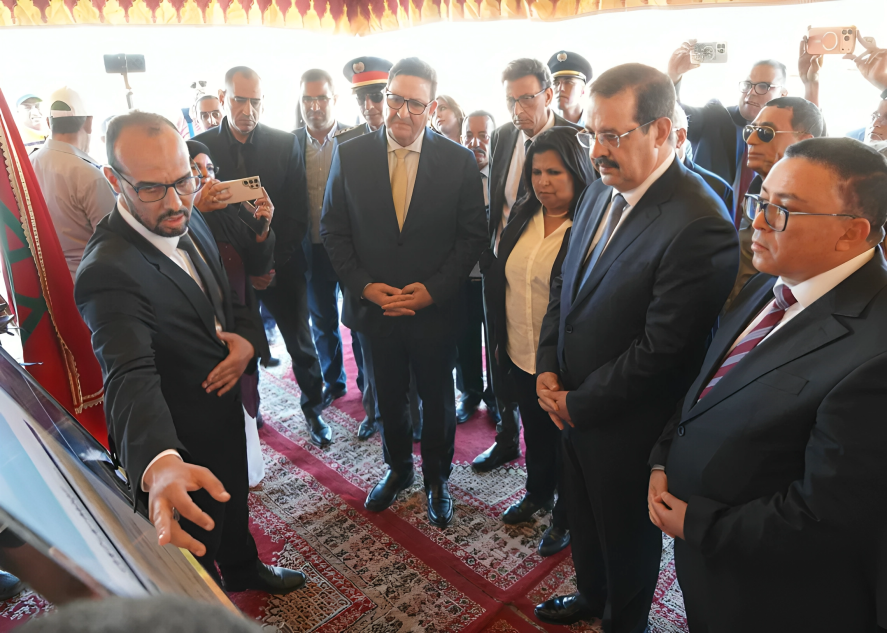
Transport and Logistics Minister Abdessamad Kayouh officially launched the works during a ceremony attended by regional officials, representatives of the National Transport and Logistics Company, and project partners. The development forms part of Morocco’s broader effort to modernize public transport services and improve connectivity between different travel networks.
The future station will be built on a four-hectare site through a partnership involving the Ministry of Transport and Logistics, the National Transport and Logistics Company, the Ministry of the Interior, and other stakeholders.
Located near both the highway network and Kenitra’s railway station, the facility is designed to strengthen connections between road and rail transport. Authorities expect the project to improve passenger mobility while easing movement across the city.
The Kenitra bus station project is also intended to become the first example of a new generation of transport hubs planned for Morocco’s major urban and economic centers. The station will offer integrated passenger services and facilitate smoother transfers between buses, trains, and other modes of transport.
Architect Aïcha Amrani said the design extends beyond transportation needs and aims to create a public space that benefits both travelers and local residents. The architectural concept is based on a circular form, chosen to represent movement, orientation, and travel destinations while shaping the overall layout of the complex.
Architect Mohamed Fikri Benabdallah said the project seeks to bring bus stations to the same modernization standards already achieved in Morocco’s airports and railway stations. The focus includes passenger reception, safety measures, and travel comfort.
One of the most distinctive elements of the station will be its underground bus platforms. This design choice aims to reduce visual impact on the urban landscape while improving the integration of the facility into its surroundings.
The structure will feature glass elements, landscaped spaces, and lightweight architectural solutions that increase natural lighting and support passive cooling. Similar to the recently developed bus stations in Rabat and Tangier, the site will include electronic ticketing systems, commercial areas, and green spaces designed to improve the passenger experience.
The project aligns with wider reforms underway in Morocco’s transport sector. Earlier this month, authorities announced plans for a national digital platform that will manage bus stations, automate ticketing and operational processes, enhance passenger services, and connect transport operators through a centralized system.
The Ministry of Transport has also launched the 2026 Safe Bus Program and the Vehicle Fleet Renewal Program, both aimed at improving safety standards and accelerating the modernization of road transport services nationwide.