
OCP Nutricrops secures Bangladesh fertilizer supply agreement
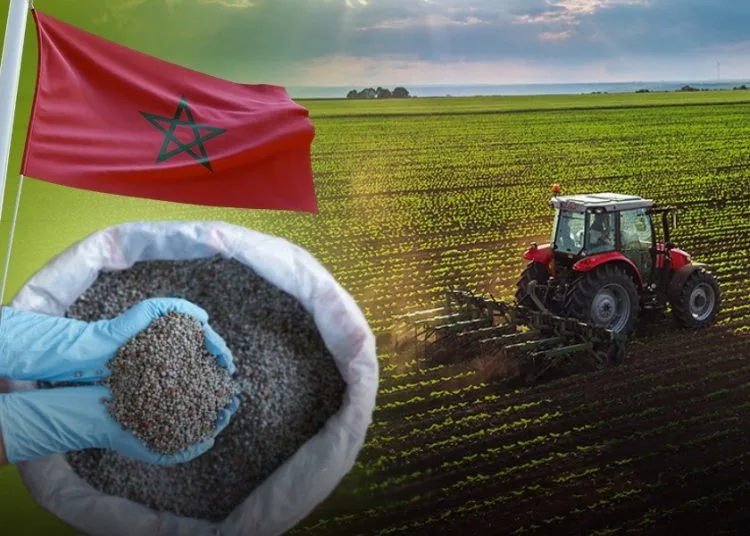
OCP Nutricrops has renewed a major fertilizer supply agreement with the Bangladesh Agricultural Development Corporation (BADC), reinforcing a long-standing partnership aimed at supporting agricultural production and food security in Bangladesh.
Under the new deal, OCP Nutricrops will supply up to 1.3 million metric tons of phosphate-based fertilizers during the 2026–2027 period. The agreement includes up to 750,000 tons of Triple Super Phosphate (TSP), a fertilizer rich in phosphorus that plays an important role in improving soil fertility and crop productivity.
The agreement was signed on Thursday and reflects the continued cooperation between the Moroccan fertilizer producer and Bangladesh’s agricultural authorities. OCP Nutricrops said the supply will help ensure access to high-quality soil nutrition products while supporting more efficient use of agricultural inputs.
Faris Derrij, Chairman and CEO of OCP Nutricrops, said the renewed partnership demonstrates the shared commitment of both organizations to strengthening Bangladesh’s agricultural sector. He noted that the agreement supports efforts to improve productivity, enhance nutrient efficiency, and increase resilience to climate-related challenges.
BADC Chairman Md Azizul Islam emphasized the importance of the relationship, noting that the organization has been importing fertilizers from OCP since 2008. He said the partnership has developed steadily over the years and continues to be based on trust and reliability.
The renewed contract forms part of OCP’s broader strategy to contribute to global food sovereignty through sustainable agricultural solutions. The company said the partnership will support better soil health management and promote more effective fertilizer use across Bangladesh’s farming sector.
Earlier in 2026, the OCP Foundation and Bangladesh’s Ministry of Agriculture launched a three-year partnership focused on agricultural development. The initiative seeks to strengthen farmer training, encourage knowledge sharing, and improve understanding of soil health conditions specific to Bangladesh.