Morocco energy dependence debate intensifies after SAMIR revival setback
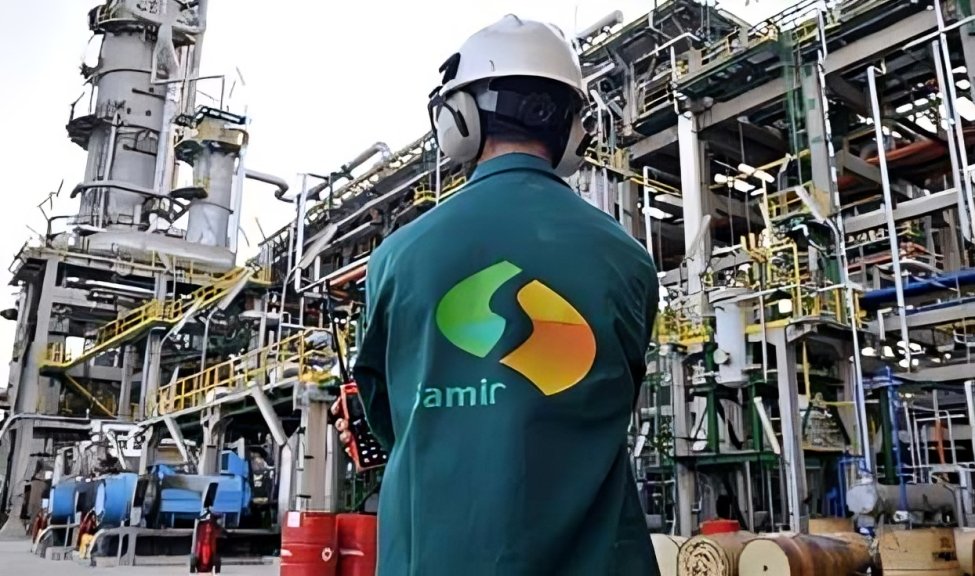
Morocco’s energy dependence has returned to the center of public debate after lawmakers rejected proposals to nationalize the assets of the country’s only oil refinery, SAMIR, and introduce new fuel price regulations.
The proposals, submitted by members of the Democratic Confederation of Labor (CDT), were rejected by the House of Councillors on June 16. The bills received 29 votes against and 10 in favor. The outcome came shortly after the measures had secured approval in a parliamentary finance committee, underscoring differing views over the refinery’s future.
The decision has renewed scrutiny of the consequences of SAMIR’s closure in August 2015 and Morocco’s continued reliance on imported refined petroleum products.
A recent report, “SAMIR Under the Test of Hormuz,” published by consulting firm Vivae Capital, estimates that the refinery’s shutdown has cost Morocco nearly MAD 197 billion, or about $19.7 billion, over the past decade.
According to the study, the figure includes MAD 114 billion in energy-related costs, MAD 29 billion in government compensation spending, and MAD 54 billion in lost industrial value. The report argues that the closure did not reduce domestic fuel consumption. Instead, refining activities shifted abroad, with foreign facilities capturing the economic value previously generated inside Morocco.
Analysts note that Morocco now imports finished petroleum products rather than crude oil for local processing. This change has increased dependence on foreign suppliers while reducing opportunities for domestic industrial activity linked to refining operations.
Morocco’s energy import bill reached MAD 114 billion in 2024, despite a 6.5% decline compared with the previous year. While this figure does not directly quantify the impact of SAMIR’s closure, it reflects the country’s continued dependence on external energy markets.
Amine Belkeziz, chief executive of Vivae Capital, said Morocco’s complete reliance on imported refined petroleum products since 2015 has generated significant hidden economic costs. He estimated that around MAD 54 billion in refining margins has been transferred abroad during the past decade, representing value that could have been created within the national economy.
The report also points to vulnerabilities exposed by disruptions affecting trade routes linked to the Strait of Hormuz. Such events have demonstrated how international supply chain shocks can quickly affect energy security and economic stability, even in countries not directly involved in regional conflicts.
Government spending on energy subsidies remains another major issue. Compensation expenditures reached MAD 16.5 billion in 2025 and are expected to total MAD 13.8 billion under the 2026 budget. Butane gas subsidies alone account for between MAD 12 billion and MAD 13 billion annually.
The debate over SAMIR has also become part of a broader social and economic dispute between labor unions and the government. The Democratic Confederation of Labor has called for a national protest march in Casablanca on June 28, citing rising living costs, unemployment, and pressure on household purchasing power.
The union is urging workers, retirees, unemployed young people, and other citizens to participate in the demonstration. Its demands include wage increases in both public and private sectors, a higher unified minimum wage, tax relief measures, stronger pension protections, and greater safeguards for labor rights.
The CDT has also renewed calls for the revival of SAMIR, arguing that restoring refinery operations is essential for strengthening Morocco’s energy security and preserving industrial sovereignty.
Located in Mohammedia, SAMIR was Morocco’s only oil refinery. Operations ceased in 2015 after the company entered financial distress and bankruptcy proceedings. The shutdown was linked to heavy debt, accumulated losses, and disputes involving taxation and fuel pricing following market liberalization.
More than a decade later, the refinery remains inactive despite repeated appeals from trade unions and political groups seeking its rehabilitation or nationalization. The latest parliamentary vote suggests that disagreements over the refinery’s future continue to shape Morocco’s wider discussion on energy policy, industrial development, and economic resilience.