Opel RUN & BEAT 2026 reshapes Casablanca urban running experience
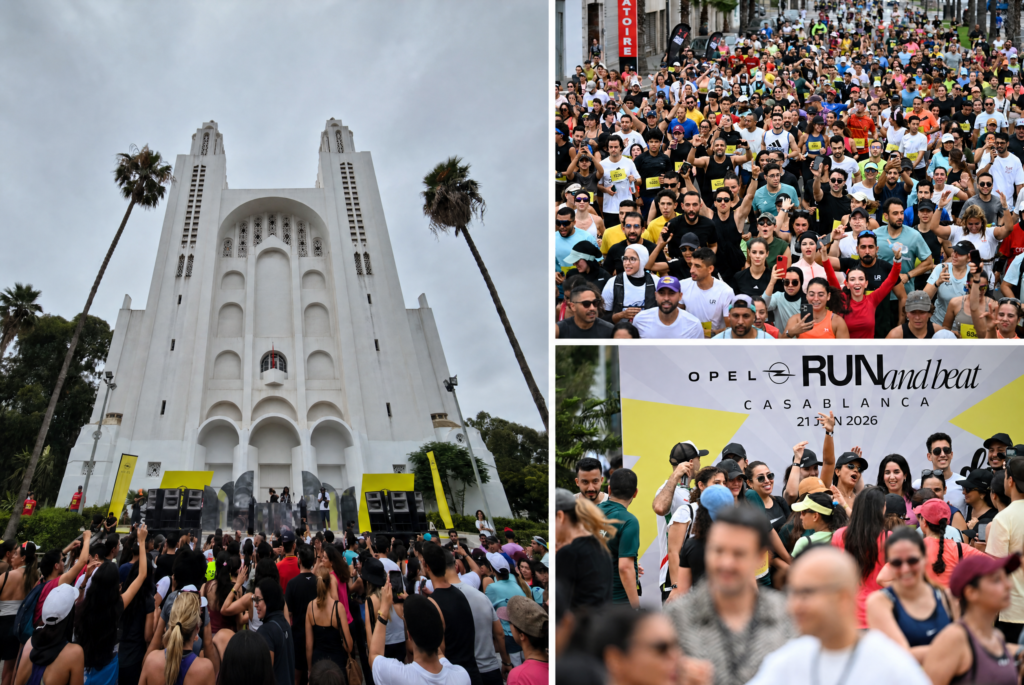
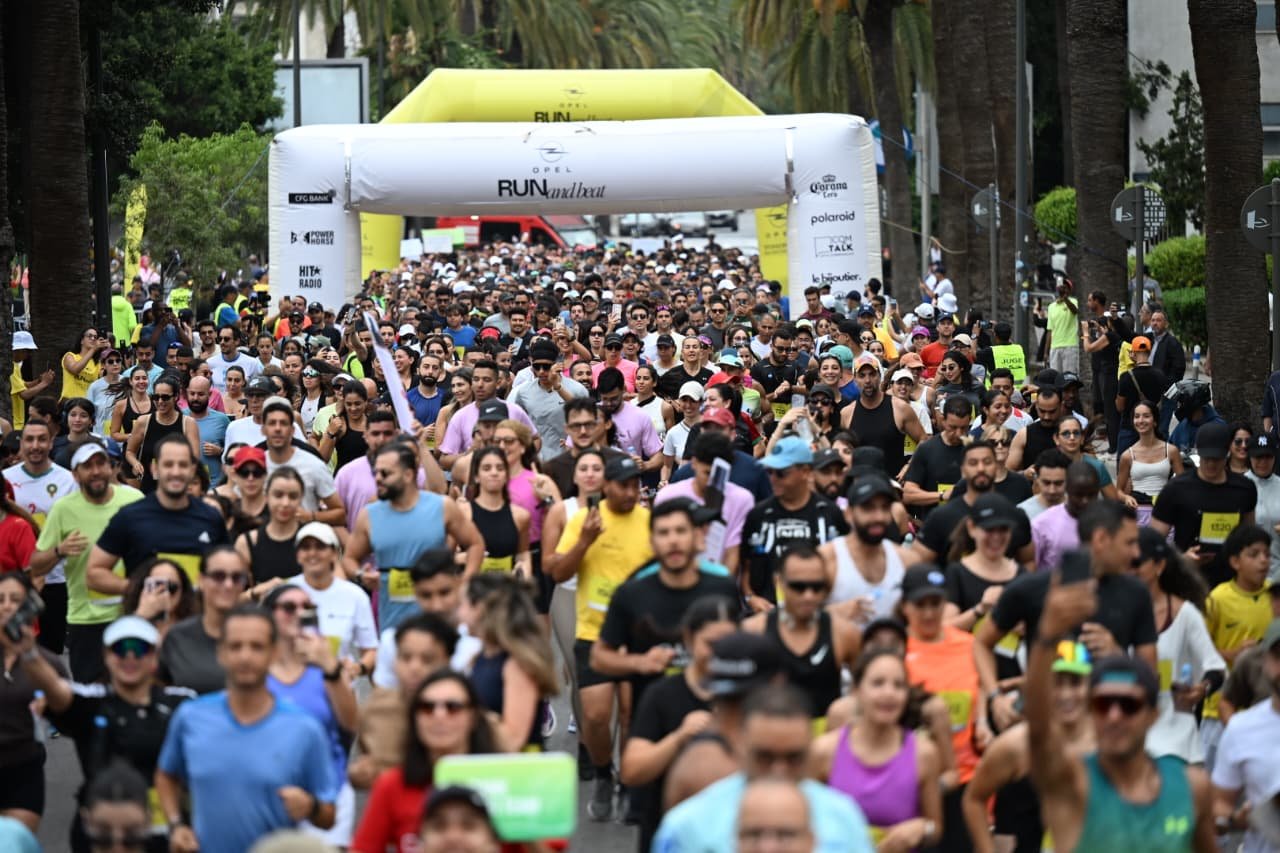
Casablanca hosted a different kind of urban event on June 21, 2026 as Opel RUN & BEAT 2026 returned with a format that blends sport, music, and collective urban expression. The initiative brought together more than 2,000 participants in a non competitive run designed around shared experience rather than performance metrics.
The event opened and closed at the Cathedral of the Sacred Heart, which was transformed into a wellness and lifestyle village. The choice of location reinforced the event’s positioning in the heart of the city, turning a historical landmark into a temporary hub of movement, music, and social interaction.
Along the route, participants followed a mobile sound installation led by DJ irenee.s. The absence of timing systems or rankings shifted attention away from competition and toward rhythm, participation, and atmosphere. The experience reflected a growing global trend in urban sports where running events are increasingly designed as cultural gatherings rather than traditional races.
Urban sport experiences gain momentum in Morocco
Across major cities, participatory fitness formats continue to expand as younger audiences seek flexible and social ways to engage in sport. In Casablanca, this shift is visible in hybrid events that combine physical activity with music programming and community engagement.
Opel RUN & BEAT 2026 aligned with this evolution by removing competitive pressure and prioritizing accessibility. Participants included seasoned runners, casual athletes, and members of local fitness communities, all sharing the same urban space without segmentation by performance level.
The event also reflected a broader cultural movement where public space becomes a platform for interaction rather than transit alone. This approach has gained traction in global cities where wellness programming is increasingly integrated into cultural calendars.
A collaboration between mobility and culture
The 2026 edition was supported by Opel Maroc as title partner, extending the reach of the concept beyond sport into mobility and urban lifestyle. The collaboration aimed to connect movement in the city with new forms of cultural participation.
Opel positioned its involvement around themes of energy, connectivity, and urban transition. The partnership reflects how automotive brands are increasingly engaging with cultural and experiential formats to remain relevant in evolving city ecosystems.
According to organizers, the collaboration helped amplify the visibility of the event and reinforced its positioning as a platform where sport, music, and city life intersect.
A growing Moroccan platform with regional ambitions
RUN & BEAT continues to expand its model beyond a single event format. Founded by a collective including Amine Allali, Kenza Nasreddine, Yassine Ouarrach, Yasmine Ouf, and Zineb Bennouna, the initiative is structured around the idea that sport can function as a social connector rather than a purely athletic pursuit.
The Casablanca edition confirms growing public demand for hybrid cultural experiences that combine physical activity, music, and informal social interaction. The strong turnout and online engagement indicate a scalable interest in this type of programming across Morocco.
Organizers have indicated plans to extend the concept to additional cities in the Kingdom, maintaining the same principles of openness, accessibility, and urban integration. The ambition is to build a recurring platform that reshapes how people experience sport in everyday city environments.
Reframing movement as a cultural experience
Opel RUN & BEAT 2026 signals a shift in how urban populations engage with physical activity. The emphasis on participation over performance reflects broader changes in lifestyle expectations, particularly among younger demographics seeking experiences that combine wellness, culture, and community.
As cities continue to evolve, events like this position sport not as an isolated discipline but as part of a wider cultural system connected to music, public space, and collective identity.
The Casablanca edition confirms that this model is gaining traction and may define a new phase in urban event design across the region.